How Houston's Humidity Affects Your Home's Exterior (And What to Do About It)

Juan Hernandez Martinez
December 20, 2024 · Owner & Lead Technician
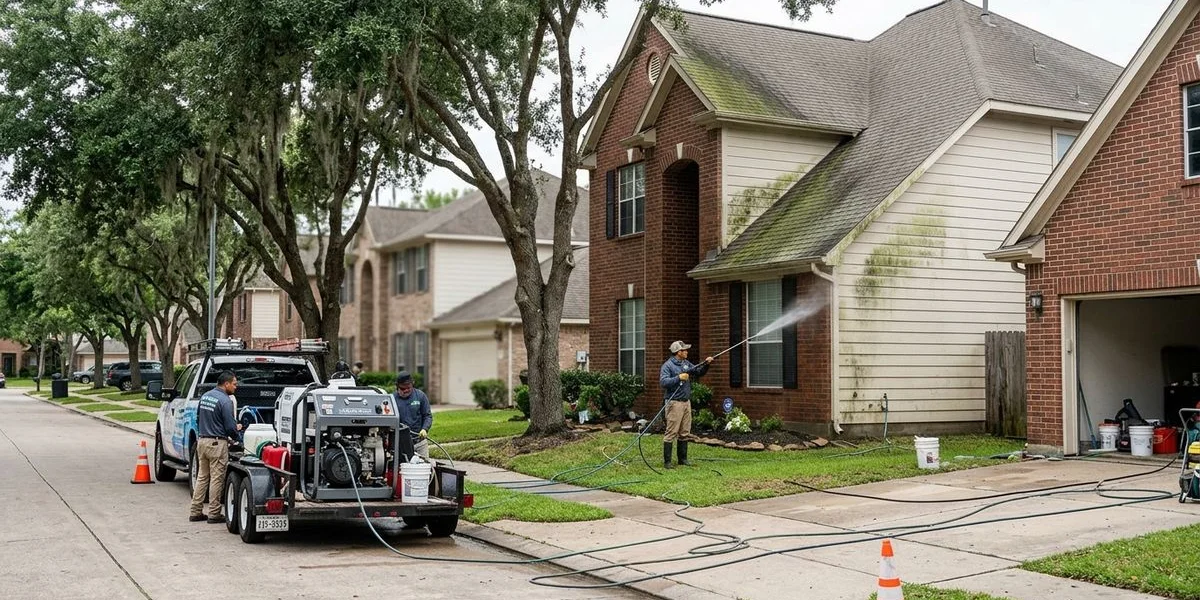
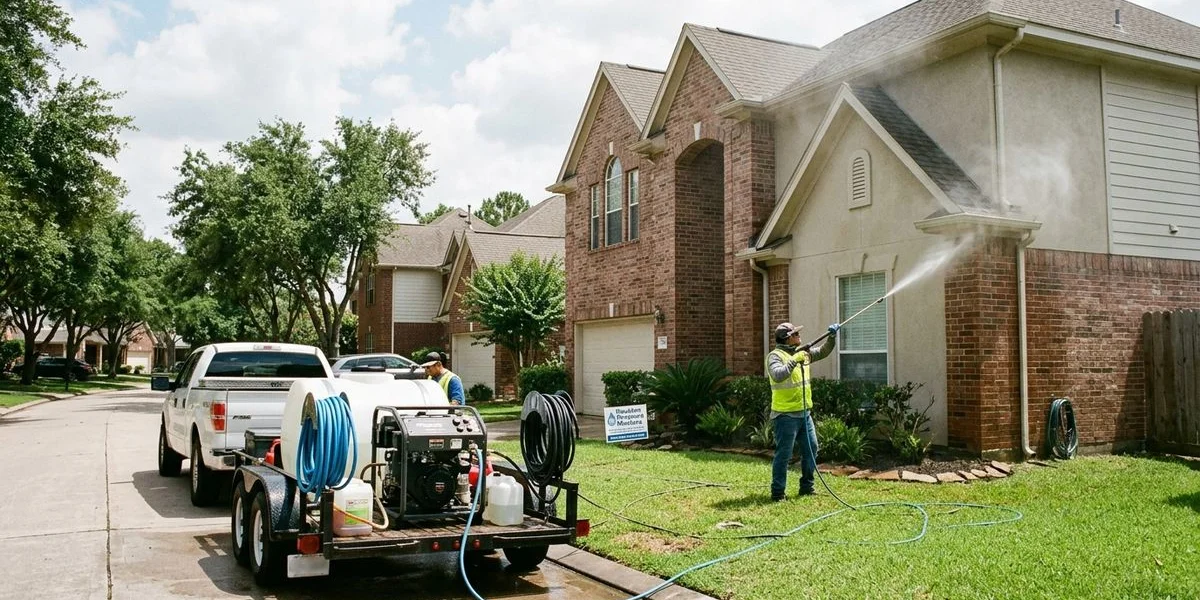
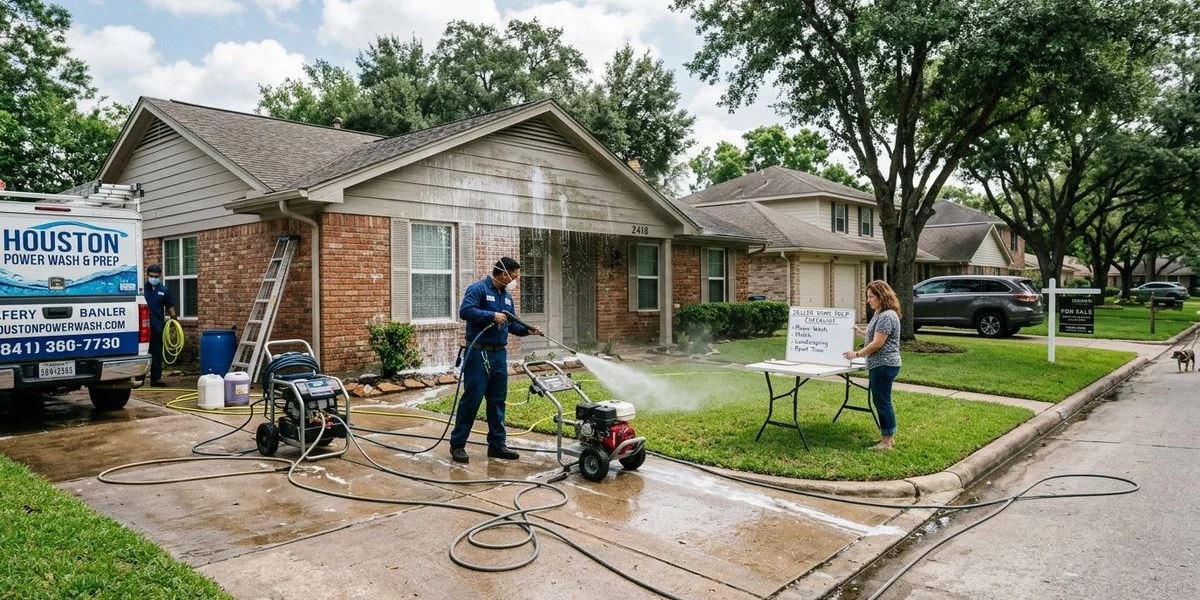
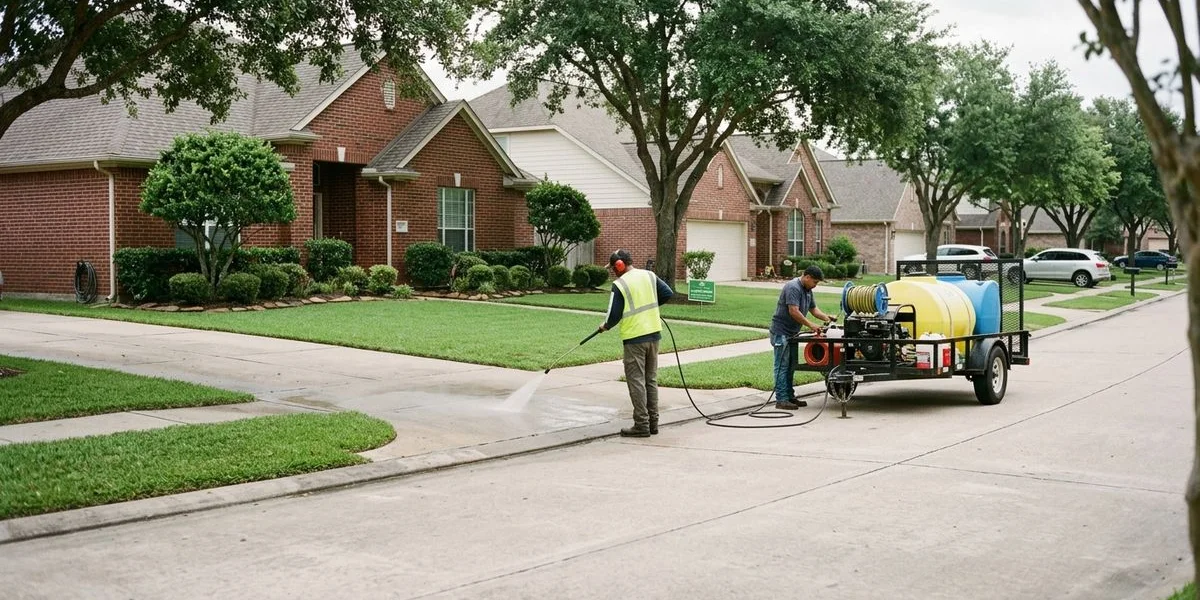
You know how quickly a fresh exterior paint job can turn green in this part of Texas. We founded Houston Texas Power Washing to help property owners fight this constant battle against Gulf Coast moisture. The underlying issue is rarely just simple dirt.
Houston averages a relative humidity of 75 percent year-round. This creates a perfect incubator for biological growth that actually eats your building materials. Our experience shows that most people misunderstand the severity of those dark stains.
Understanding how Houston humidity affects your home’s exterior is the first step for protecting your biggest investment.
How Houston Humidity Compares By the Numbers
The numbers paint a clear picture of why local homes are under constant siege. We constantly track these climate metrics to adjust our seasonal cleaning solutions. According to long-term climate records updated for 2025, the city receives roughly 50 inches of rainfall annually.
| Climate Metric | Houston Value | National Average |
|---|---|---|
| Annual rainfall | 50+ inches | 30 inches |
| Average humidity | 75%+ | 60% |
| Frost-free days | 300+ | 200 |
| Summer dewpoint | 72-76°F | Varies widely |
These specific conditions create what microbiologists call a biofilm-friendly environment. Surfaces stay damp long enough for aggressive organisms to colonize easily. Our crews notice that local temperatures rarely drop low enough to kill these spores off during winter. This allows the contamination to compound year after year.
What’s Growing on Your House?
Gloeocapsa Magma (Black Algae)
This is the most visible sign of biological growth on local roofs. Those dark streaks running down your shingles are actually a specialized cyanobacterium. Gloeocapsa magma actively feeds on the calcium carbonate inside the limestone filler of your asphalt shingles. The Asphalt Roofing Manufacturers Association notes that this organism produces a dark, hardened sheath to protect itself from ultraviolet rays. We frequently see it spread via airborne spores and colonize an entire roof within a few seasons.
Green Algae
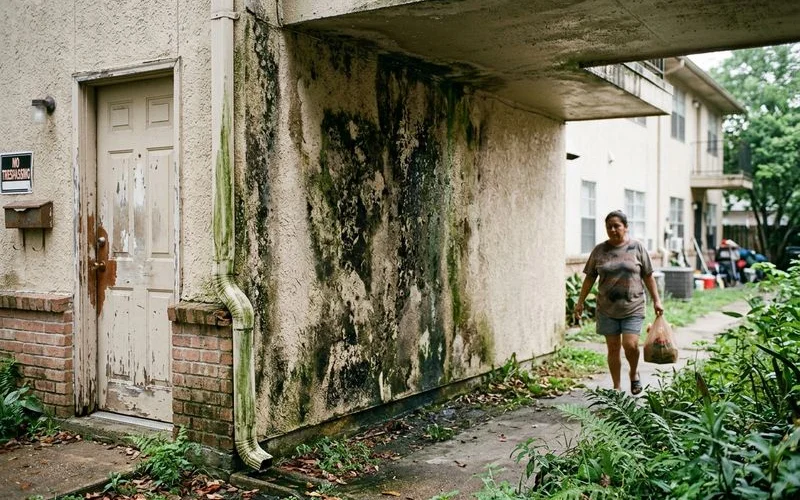
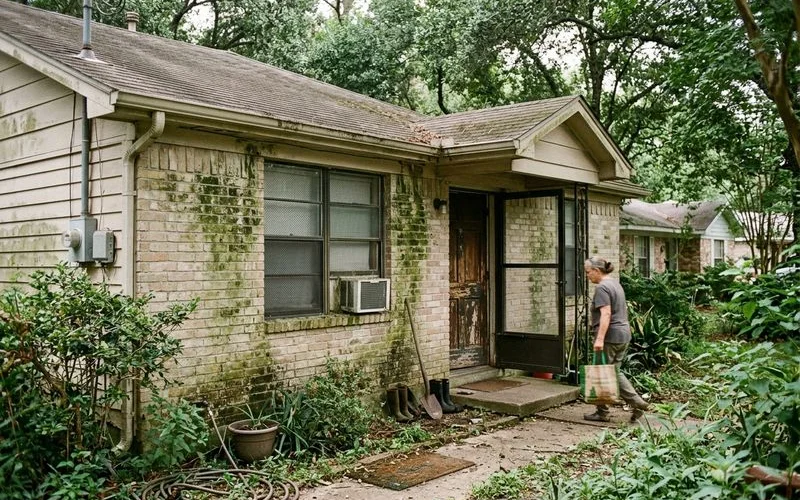
Bright green patches are incredibly common on shaded walls, fences, and under deep eaves. The Centers for Disease Control and Prevention notes that mold and algae can establish themselves within 48 hours of moisture exposure. Green algae thrives exactly where surfaces stay damp and lack direct sunlight. North-facing walls in shaded subdivisions are particularly susceptible to rapid takeovers.
Mold and Mildew
Dark spots and patches often develop in consistently damp areas. The EPA recommends keeping indoor humidity below 60 percent to prevent mold, which is physically impossible outside in South Texas. Mold can penetrate beneath surface coatings and cause severe structural damage to exterior wood components. Paint manufacturers like Sherwin-Williams specifically warn that peeling exterior paint is frequently caused by a lack of adhesion due to this trapped moisture.
Lichen
Lichen is a composite organism combining an aggressive fungus and an algae. It attaches to surfaces with aggressive root-like structures called rhizines. We find that lichen is particularly stubborn and can cause physical pitting in roofing materials. As it expands and contracts with temperature changes, the organism literally pulls the protective granules off your shingles.
The Damage Humidity-Driven Growth Causes
This issue goes far beyond simple aesthetics. Biological growth actively damages your physical property.
Paint Deterioration
Mold and algae produce harsh acids that break down modern paint binders. This biological attack causes premature peeling, chalking, and heavy discoloration. A premium exterior application that should last a decade may fail in just four years without intervention. Sherwin-Williams recommends using specialized, moisture-resistant formulas like their Duration Exterior Acrylic Latex to combat these specific high-moisture failures.
Wood Rot
Organisms that colonize wood surfaces hold moisture directly against the grain. This continuous dampness accelerates fungal decay and compromises structural integrity. Fascia boards, window trim, and deck components are incredibly vulnerable in our specific climate. Replacing rotted fascia board and siding can quickly cost thousands of dollars if the root cause is ignored.
Stucco Degradation
Driving rain and high humidity present a massive challenge for porous siding materials. Biological growth in stucco can cause deep staining that penetrates the finish. Water seeping through these materials dissolves salts and leaves behind a white powdery residue called efflorescence. Our technicians know this trapped moisture inevitably leads to larger structural remediation if not cleaned and sealed properly.
Energy Efficiency Loss
Dark algae on your roof dramatically increases heat absorption. This forces your air conditioning system to work much harder during the sweltering Texas summers. A landmark study from the Oak Ridge National Laboratory found that biological growth on reflective roofs doubles the amount of heat energy absorbed in slightly more than a month. Keeping that surface clean directly impacts your monthly utility bills.
Property Value Impact
The financial impact of a dirty exterior is highly measurable. The National Association of Realtors 2024 Remodeling Impact Report highlights that 92 percent of realtors advise improving curb appeal before listing a property. Professional exterior cleaning can increase perceived property value by 5 to 10 percent. A visibly dirty exterior signals poor general maintenance to buyers and reduces your final sale price.
Prevention Strategies
Stopping this growth requires a proactive approach.
1. Regular Professional Cleaning
The most effective strategy is scheduling a professional treatment every 12 to 18 months. Specialized solutions kill organisms at their microscopic roots to prevent rapid regrowth. We strongly advise against using high pressure on delicate surfaces to avoid voiding manufacturer warranties.
2. Trim Trees and Vegetation
Reduce heavy shade and improve air circulation around your home by managing your landscaping. Trees should be trimmed at least three to five feet back from your exterior walls. Better airflow allows for faster drying after our frequent Gulf Coast rainstorms.
3. Manage Irrigation
Ensure your sprinkler heads do not spray directly onto your siding or brickwork. Constant municipal water exposure combined with shade guarantees rapid green algae growth. Redirecting irrigation paths removes a major artificial moisture source from the equation.
4. Improve Drainage
Your gutters must remain clean to direct water completely away from the foundation and walls. Standing water near your home constantly feeds the ambient humidity levels. Our standard procedure includes checking downspout positioning to ensure water flows harmlessly away from the property base.
5. Consider Zinc or Copper Strips
Metal strips installed along roof ridges offer a layer of passive protection. These metals safely oxidize over time in the weather. Rain then washes the metallic ions down the roof surface to inhibit cyanobacteria naturally. This remains a helpful supplemental strategy, though not a total replacement for scheduled cleanings.
The Soft Wash Solution
The Asphalt Roofing Manufacturers Association strictly warns against using high-pressure wands on standard asphalt shingles. Professional soft washing is the gold standard for treating humidity-driven biological growth safely. Traditional pressure washing typically blasts water at 1,500 to 4,000 PSI, which can strip protective granules right off your roof.
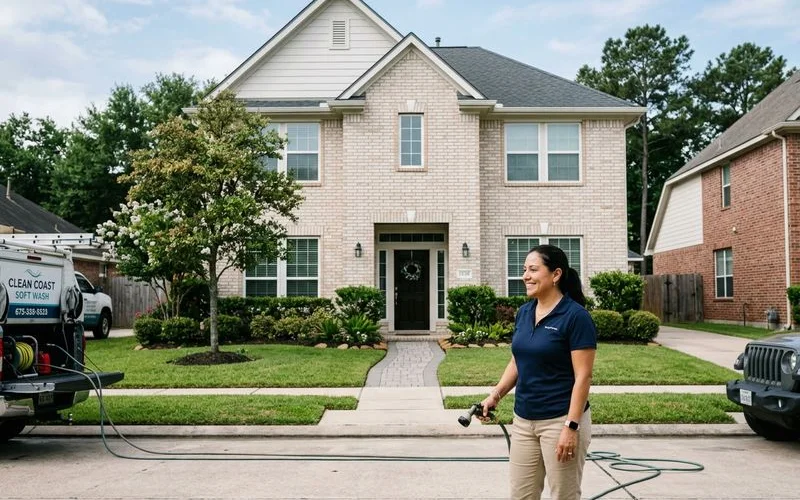
Soft washing relies on specialized equipment operating at under 500 PSI. This method applies a precise blend of biodegradable surfactants and sodium hypochlorite to eradicate mold, algae, and mildew at the cellular level. We utilize this root-level treatment so your home stays clean two to three times longer than it would with mechanical pressure alone.
Conclusion: Protecting Your Investment
Understanding how Houston weather systematically attacks building materials is half the battle. The other half is taking the right action before the damage requires expensive replacements. You have the data, the expert insights, and the clear strategies needed to maintain a pristine exterior.
Ready to fight back against the relentless humidity? Contact us for a free assessment of your home’s exterior to get started. Our team will build a detailed cleaning plan customized specifically to your property’s unique conditions and materials. Let the experts handle the tough buildup so you can enjoy a beautifully restored home.
Written by
Juan Hernandez Martinez
Owner & Lead Technician
Juan Hernandez Martinez is the founder of Houston Texas Power Washing, a veteran-owned exterior cleaning company serving the Greater Houston area for over 20 years.